
What Is a Court Docket in Sibley County
A court docket is the case schedule and event list that shows what the court has done and what it plans to do next. In Sibley County, that means hearing dates, courtroom assignments, judicial officer names, hearing types, and the case numbers tied to each event. The docket does not replace the full case record. It helps a user track the life of a matter, while the case file contains filings, orders, and other documents that may or may not be visible online.
Sibley County's public calendar is especially useful because it shows current hearing activity across criminal, family, probate, civil, juvenile, and traffic cases. The observed calendar for June 24, 2026 included fields such as Party Name, Hearing Location, Hearing Date, Time, Judicial Officer, Hearing Type, Connection Type, and Case Number. That field mix tells a user both where the case sits and what kind of event is being heard.
Source: Minnesota Judicial Branch pay-a-fine page.
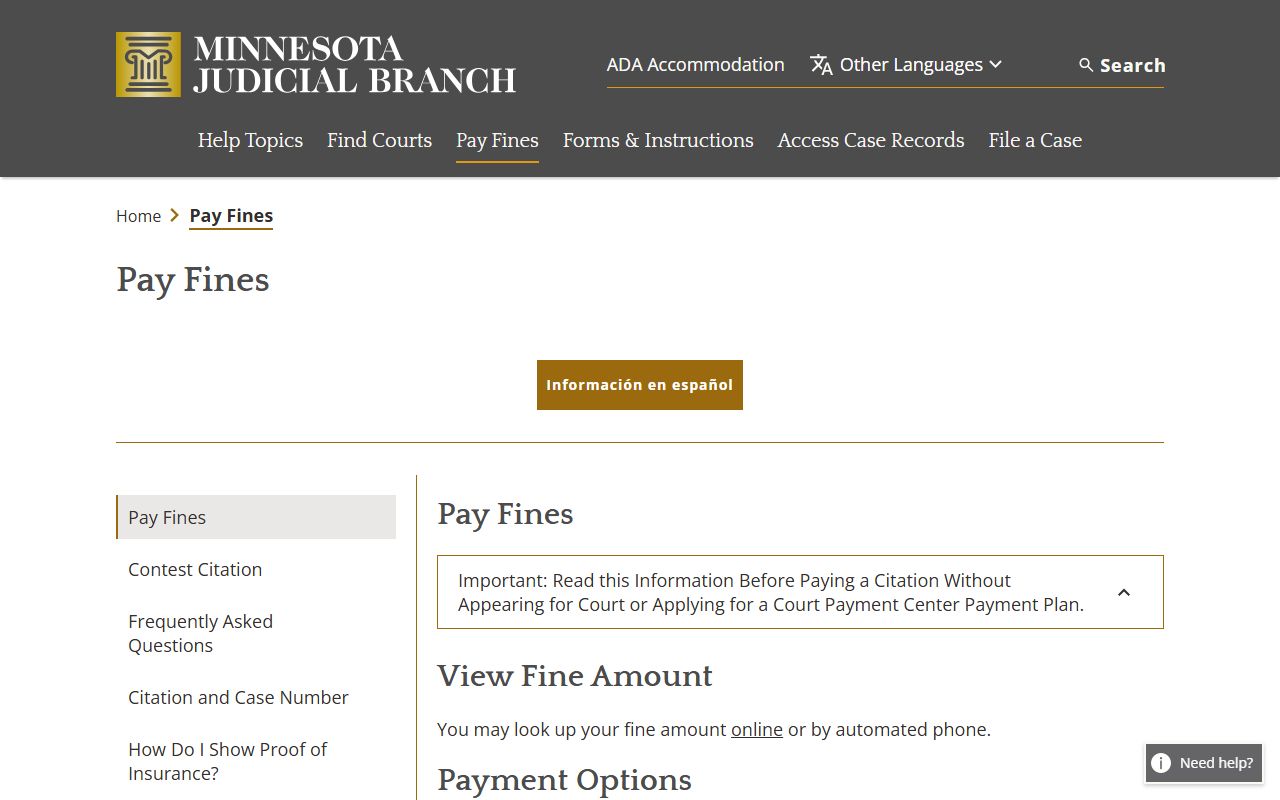
The pay-a-fine page belongs in a docket discussion because many docket entries in traffic and misdemeanor matters point to payment deadlines, surcharge consequences, or the need to appear before the court.
How to Find Sibley County Dockets Online
The first place to check is the Sibley County daily court calendar PDF at the official Minnesota Judicial Branch calendar. The calendar gives a day-by-day view of what is set in Courtroom 1 and which hearings are active on that date. When a user needs a broader calendar search, MCRO Hearing Search fills the gap by letting a person search by party, case number, attorney, business, or judicial officer.
- Open the daily calendar PDF and confirm the hearing date you care about.
- Use Hearing Search when you need a wider statewide search or want to find a case by name.
- Check the courtroom and judicial officer so the case can be matched with the right event.
- Review the case number and compare it with the public register of actions in MCRO.
Source: Minnesota Court Web Payment.
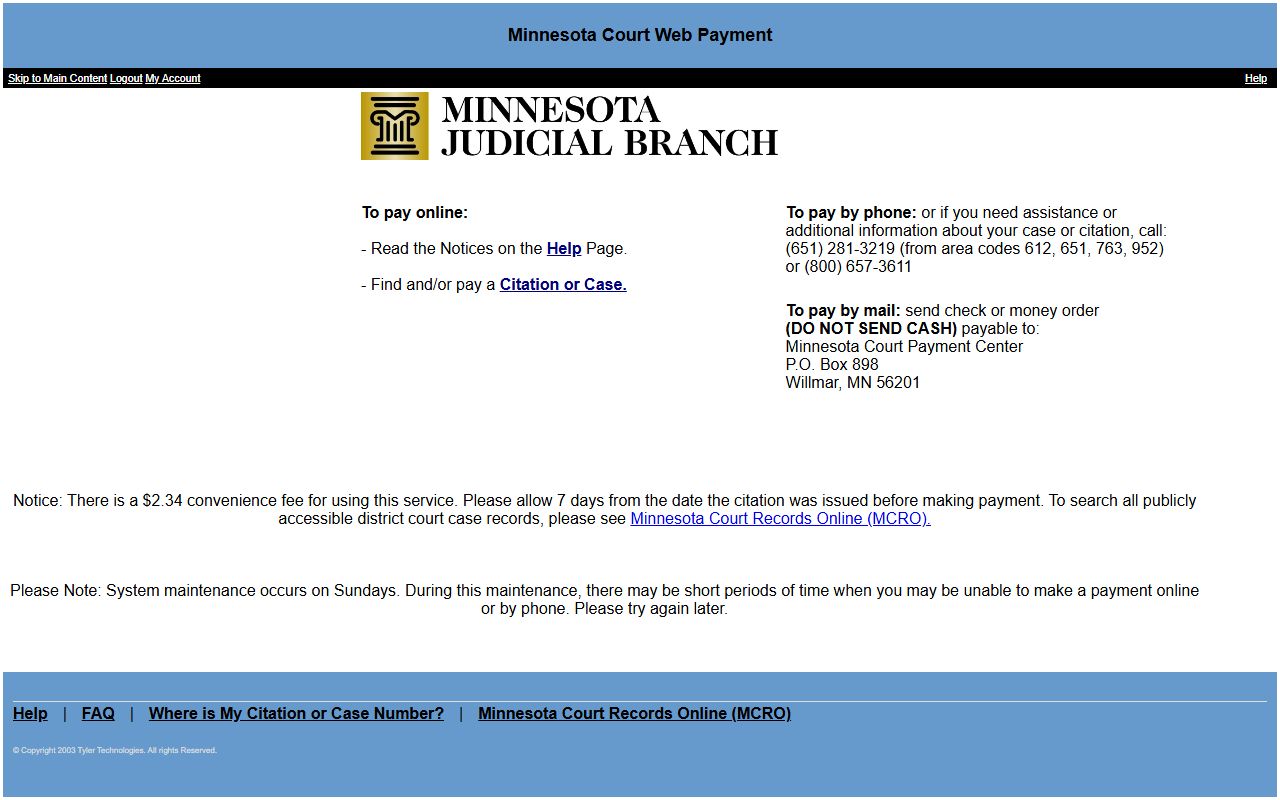
Web Payment is not a docket database, but it is part of the same case workflow because citation payments, balances, and appearance consequences often show up after the docket is opened.
Sample Sibley County Docket Entry
A docket entry is easiest to read when the fields are separated into event, time, place, and authority. Sibley County's public calendar uses the same logic. A person sees who is connected to the case, which courtroom is holding the hearing, and which judicial officer is assigned. The hearing type tells the user whether the event is a first appearance, omnibus hearing, motion hearing, pre-trial, sentencing, or something more specific.
| Field | What It Shows |
|---|---|
| Entry Date | The date the hearing or docket event is scheduled or recorded. |
| Event Type | What kind of court event is being held, such as review hearing, arraignment, or sentencing. |
| Party Filing | The party or role associated with the event, such as defendant, petitioner, or respondent. |
| Document Link | A filing or notice when the docket item has a public document attached in MCRO. |
Source: Minnesota Guide & File.
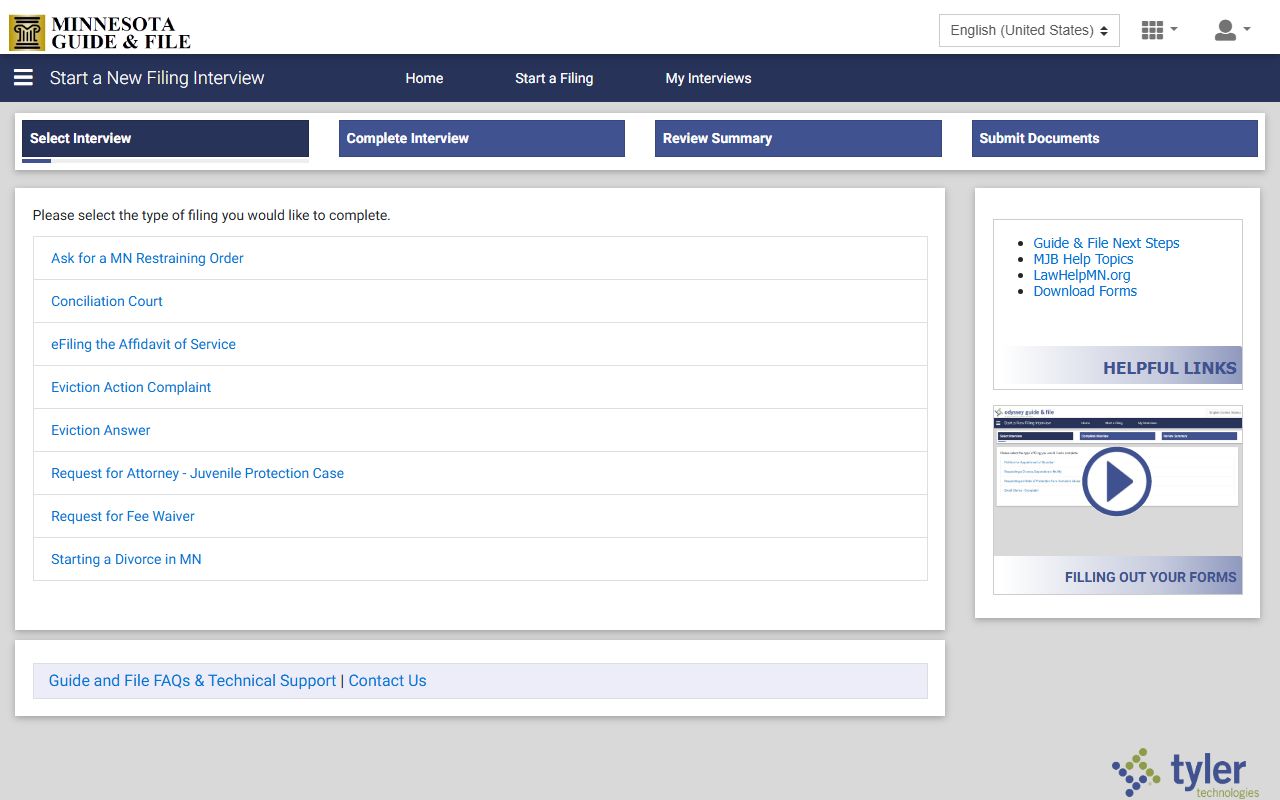
Guide & File is part of the docket story because many family and probate matters begin with a guided filing workflow that later produces the court calendar entries users search.
Courts That Publish Dockets in Sibley County
The Sibley County District Court publishes the local docket and calendar for the county's civil, family, probate, juvenile, criminal, and traffic matters. Minnesota does not use a separate county court or municipal court of record in Sibley County, so the district court calendar is the central public docket source. Appellate courts use separate statewide systems, and federal courts use PACER or CM/ECF, not the Sibley County calendar.
- Sibley County District Court publishes the daily hearing calendar and local docket information.
- MCRO Hearing Search provides statewide hearing lookups that include Sibley County cases when they are public.
- The Minnesota Court Payment system ties citations and traffic matters to the court record when a payment path is available.
The county calendar is the best local source because it shows the case type and courtroom at the same time. For active matters, that makes it easier to confirm whether a hearing is still on, rescheduled, or already finished before someone travels to Gaylord.
Docket vs. Full Case Record
The docket tells the story of movement. The case file tells the story of substance. In Sibley County, the docket shows when the court called a matter, when a hearing was continued, and when a judge or judicial officer handled the matter. The full case record is where the complaint, motion, order, judgment, and supporting filings live. A person who only needs the next hearing date may not need the full file, while someone checking the legal outcome or documentary history usually does.
| Docket | Full Case Record | |
|---|---|---|
| Format | List of entries and hearing events | Documents, orders, pleadings, and docket entries |
| Access | Often public online through calendars or Hearing Search | May be online, limited, or courthouse-only depending on the record |
| Use | Track what happens next | Read what the case actually contains |
When the docket becomes confusing, the court file usually clears it up. In Sibley County that means checking MCRO, then the daily calendar, then Court Administration if the file is older or limited remotely.
How to Read a Sibley County Docket
Sibley County docket entries become easier to read once a user knows the courtroom language. Review hearing, omnibus hearing, arraignment, motion hearing, pre-trial, first appearance, and sentencing are all different events. Connection type matters too, because a hearing can be in person, remote, or by another approved connection method. The observed calendar also showed role labels such as defendant, petitioner, and respondent, which helps a user understand who the event belongs to.
The most common mistake is treating the docket like a verdict sheet. It is not. A hearing entry only shows that the matter was scheduled or heard. It does not by itself tell the full outcome, the full filing history, or every document attached to the case. That is why the docket should be read together with the MCRO register of actions and, when needed, the case documents themselves.
Source: Sibley County District Court.
The docket page and the fine page sit close together in practice because traffic and misdemeanor matters often move from a hearing date to a payment question fast.